JakartaPost-Nov 24, 2026
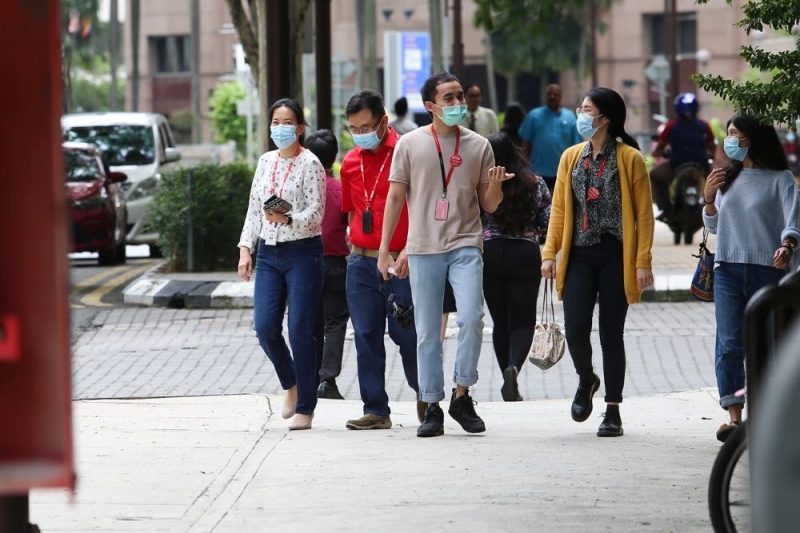
The annual provincial minimum wage increases for next year have left both businesses and workers dissatisfied. Employers warn that higher labor costs could undermine Indonesia’s competitiveness as an investment destination, while workers argue that the raises in some provinces fall short of their expectations. Provinces have set varying increases, ranging from 4 percent in mining-heavy North Maluku to 42.1 percent in the tourism hub of Bali. West Java, a major industrial hub, recorded the second-largest increase, at 29.4 percent to Rp 3 million (US$165), followed by Central Java, at 14.1 percent to Rp 2.6 million, and Yogyakarta, at 12.7 percent to Rp 2.7 million. East Java’s minimum wage rose by 11.6 percent to Rp 2.7 million, while Jakarta saw a more modest 7.1 percent increase to Rp 6.1 million, still higher than this year’s 6.2 percent hike. The Indonesian Employers Association (Apindo) wage council head Subchan Gatot raised concerns over investment competitiveness, noting that Indonesia is facing competition with other countries in Southeast Asia. Thus, wage policy should take into account the country’s attractiveness in getting investment and industrial activity, while businesses should improve productivity, efficiency, innovation and workers’ skills to generate greater value. Subchan also called for greater government involvement in workers’ welfare, arguing that businesses should not bear the responsibility alone. He pointed to affordable public transportation, health care, education and vocational training, as well as adequate and affordable housing, as areas where governments could help reduce workers’ expenses, arguing that welfare improvements should also come from lowering living costs rather than relying solely on wage increases. Read more at: