MalayMail-Oct 29
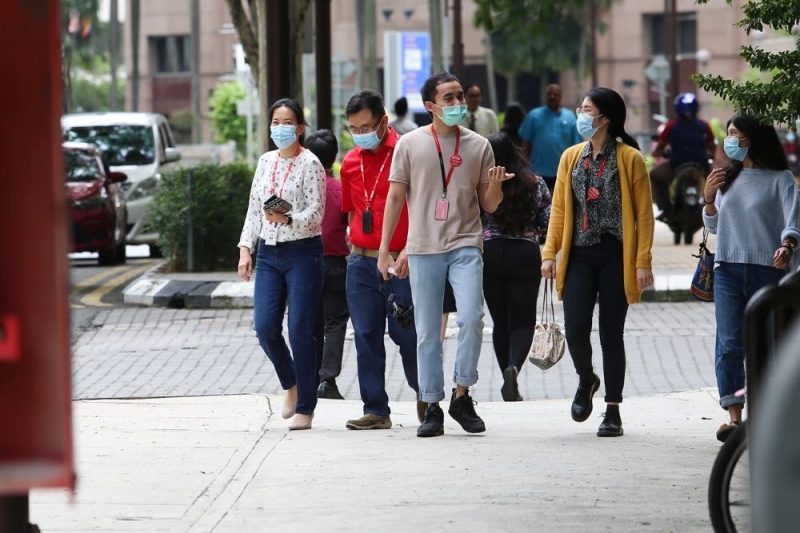
Malaysia’s recent haze episode carried an estimated RM8 billion in welfare losses, while short-term exposure to fine particles from fires may have contributed to about 1,700 deaths, according to a report commissioned by the Federation of Malaysian Manufacturers (FMM). The report valued the health burden of estimated premature deaths at between RM3 billion and RM15 billion, using standard benefit-transfer methods. It said this represents what people would be willing to pay to avoid the risk of premature death — not lost economic output — and should not be added to other economic losses. The haze also disrupted manufacturers indirectly through staff absences and school closures. Among 59 sites reporting some operational impact in FMM’s survey, 81 per cent said they experienced more sick leave or health-related absence, while 63 per cent said school closures affected staff availability. The report also highlighted that, at 14 per cent of affected sites, staff shortages disrupted shifts, production or deliveries. Overall, 37 per cent of sites reporting an impact said output fell, and 27 per cent temporarily shut down at least one operation. The survey received responses from 86 FMM member sites, including 81 manufacturers. More than two-thirds reported some operational impact, while 26 per cent said disruption was moderate or significant. The report cautioned that the survey was not representative of all manufacturers; most responses came from Selangor and Penang, and only two came from Sarawak. School closures during the haze affected an estimated 8.4 million to 13.4 million student-days, the report said. It did not assign a monetary value to any loss in teaching quality. FMM president Jacob Lee Chor Kok said the haze should no longer be viewed exclusively as an environmental issue but also a matter of public health, labor productivity, economic sustainability and regional competitiveness. “Manufacturing industries are increasingly interconnected through regional and global supply chains. Environmental disruptions in one country can affect economic activities and business operations across national boundaries.
“Preventing haze is therefore not only an environmental responsibility but also an investment in economic resilience, sustainable industrial development and the wellbeing of future generations,” he added. The report also estimated 1,700 deaths related to the haze, with a 95 per cent interval of about 1,300 to 2,300, which covers the period from July 1 to Oct 22. About 1,600 were attributed to smoke from fires outside Malaysia, the report said. Read more at: