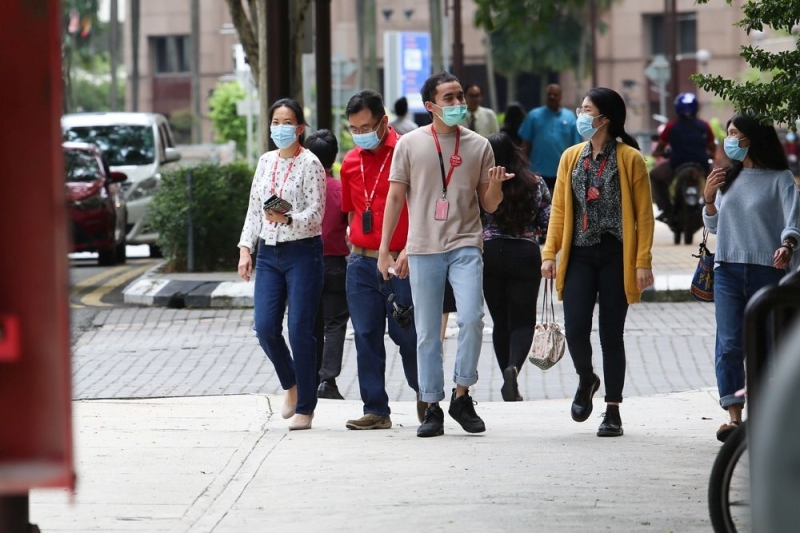
MalayMail/Bernama-Sept 23
For Malaysia’s palm oil industry, the latest haze episode has again raised questions about the link between regional fires and how the commodity is perceived environmentally. According to the United States Department of Agriculture, Malaysia and Indonesia dominate global palm oil production with a combined output projected at 66.7 million tons in the 2025/26 marketing year, or about 83 per cent of the global total. Indonesia is expected to produce 47.5 million tons while Malaysia 19.2 million tons, and that dominance means environmental controversies in the region can quickly feed into the wider debate surrounding palm oil. However, no evidence establishes a direct economic link between the current haze and weaker demand or lower palm oil prices. The more immediate concern may be the scrutiny that comes with recurring fires, particularly from buyers, consumers and other stakeholders looking at sustainability and responsible production. Palm Oil Analytics senior analyst Dr Sathia Varqa said palm oil remained an essential commodity for Malaysia while describing it as the “DNA of Malaysia’s agri sector” because of its contribution to jobs, income and livelihoods. He said recurring haze could reignite scrutiny over the industry’s sustainability and environmental record, including the long-running debate over food versus fuel. At the same time, Sathia did not see a direct link between haze and higher costs of doing business for Malaysian palm oil exporters. “There will definitely be more questions and scrutiny over the commodity,” he told Bernama, adding that companies with sustainability certification could use it to demonstrate their environmental commitments.
Nevertheless, he cautioned that it was not always clear whether the forest fires were linked to oil palm or other activities.
That question has become particularly relevant with the return of the haze. Similarly, the Malaysian Palm Oil Board (MPOB) has said regional forest and peat fires cannot be attributed primarily to oil palm cultivation, with satellite mapping showing hotspots across multiple land uses, including unmanaged areas, pulpwood plantations and small-scale farming plots.
Read more at: