
MalayMail-July 23
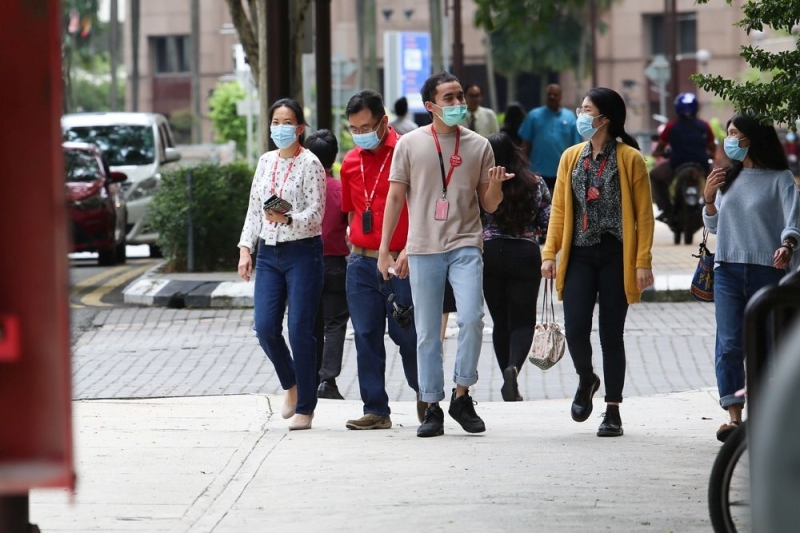
At 7.30am, auditor Nadia Rahman waits for her train to work and whips out her mobile phone. With a few taps, she orders her breakfast so it arrives at the office fresh and hot, right when she does. After her meal, she still has time to book a cleaner, pay her credit card bill, shop for groceries, and order lunch – all before stepping into the train. “Technology has definitely caught up in Malaysia, now we enjoy the same conveniences,” she told Malay Mail. After a long day, she orders a soothing iced milk tea and a big dinner to be delivered just as she gets home. For a small fee, she avoids traffic, parking woes and crowded shops – all without ever leaving her screen. For Malaysians like Nadia, who are constantly on the move, mobile apps are no longer just convenient – they are essential. Usage of mobile apps in Malaysia really took off when Covid-19 hit in 2020. With lockdowns and movement restrictions, Malaysians turned to their phones for everything, from groceries and dinner to bubble tea and household goods. What started as a necessity has now become a lifestyle.
Five years later, the influence of mobile platforms – especially those from China – is unmistakable in how Malaysians shop, eat and spend. Platforms like Temu, Shein, TikTok Shop, and ShopeeFood have shaped consumer expectations around price, speed and convenience. One of the most influential models behind this shift is Meituan, China’s leading all-in-one super app. Launched in 2010, Meituan became a digital powerhouse by combining food delivery, hotel bookings, grocery and lifestyle services, and AI-powered recommendations – all in one app. Though Meituan doesn’t operate in Malaysia, its blueprint is visible in Grab, Shopee and Lazada. Read more at: